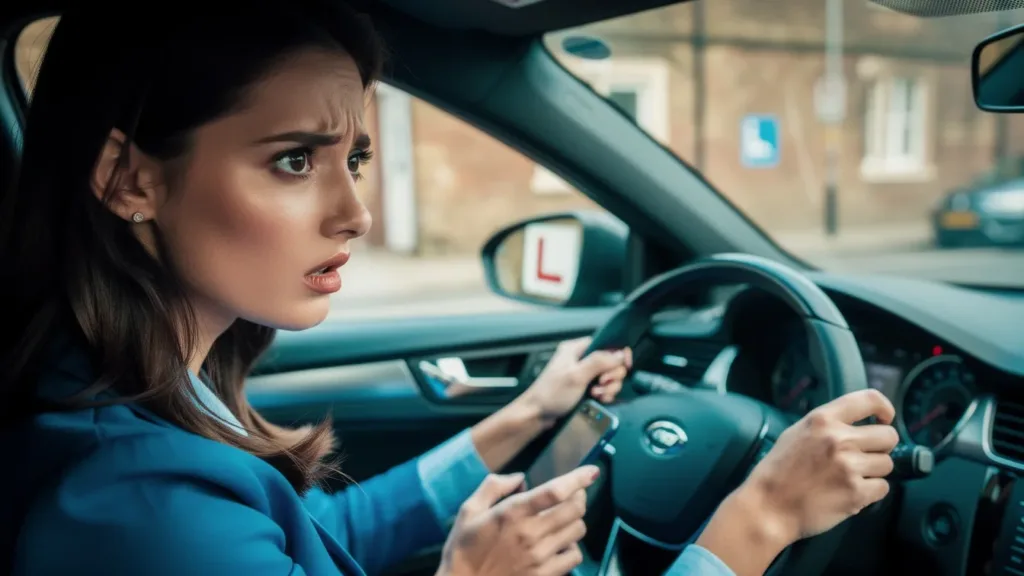

As the world continues to adapt and evolve, there’s a troubling rise emerging right here in Great Britain—a surge in cheating on driving tests, a staggering increase of 47% over just one year. With nearly 3,000 cases recorded, we need to take a closer look at what this means for road safety.
Highlights
- 😱 47% surge in driving test cheating cases.
- 🚗 Almost 3,000 reported incidents in just one year.
- 📱 Technology-assisted cheating is on the rise, with many using concealed devices.
- ⚖️ Strict penalties introduced for offenders, including prison sentences.
Did you know? The driving theory test has been part of Great Britain’s learner driver requirements since 1996, but now, it faces unprecedented challenges.
The Worrying Trend
Cheating isn’t a new phenomenon, but the speed at which it’s growing is alarming. According to data released by the Driver and Vehicle Standards Agency (DVSA), the increase in cheating incidents can be attributed to both a genuine uptick in dishonesty and improved detection methods. It’s like a game of cat and mouse—but in this instance, the stakes are incredibly high, as innocent road users could face grave consequences.
In the previous academic year alone, there were 2,844 cases of cheating, a significant jump from 1,940 the year before. Those are sobering figures, especially when considering the impact on road safety. As someone who has spent countless hours behind the wheel, it’s chilling to know that the licenses of some drivers may not only be ill-deserved, but also represent a risk to everyone else on the road.
The Role of Technology
Technology has a dual role here. While it aids driving test administration, it also provides a means for some learners to cheat. For instance, the rise of Bluetooth earpieces connected to hidden devices is the method of choice for many who want to game the system. In fact, technology-assisted cheating accounted for a staggering 1,113 incidents in the last recorded year.
This raises a crucial question: How can we ensure that those hitting the road are genuinely capable? The DVSA has implemented rigorous measures, including requiring candidates to show their faces to verify their identities. Additional techniques involve a light scan and the use of handheld metal detectors to catch would-be cheaters. Such steps are essential, but they also expose a deep flaw in the learning process. Shouldn’t we be focusing on giving learners the skills they need instead of policing cheating methods?
Consequences of Cheating
The fallout from cheating is severe. Not only are offenders putting themselves and others at risk, but they also face significant legal repercussions. Stricter laws have been enacted leading to prosecutions for those caught attempting to cheat on tests. For example, a recent offender, Qounain Khan, received an eight-month prison sentence after impersonating candidates twelve times. Serious stuff!
The consequences are steep: impersonators can face up to two years in prison, bans from driving, and hefty fines. So, is the risk worth it? Absolutely not. As Steve Gooding from the RAC Foundation points out, the pressure to get a driving license quickly will never justify risking lives.
What Can Be Done? Solutions on the Table
To reverse this worrying trend, collaboration between education systems and law enforcement is vital. Here are some ideas:
- 👩🏫 Enhance driver education to focus on real-world scenarios rather than just passing tests.
- 🔍 Increase random checks at driving test centres to dissuade potential offenders.
- 📈 Promote technology that improves the learning experience instead of facilitating cheating.
- ⚖️ Advocate for stricter penalties for cheating, making the risks clearer to wannabe offenders.
Empower Yourself: Drive Legally and Safely
So what can you do? As potential drivers or concerned taxpayers, advocating for integrity in the driving test system is crucial. Encouraging solid educational practices and raising awareness about the importance of driving skills is the collective responsibility of our society. No one wants a road filled with unqualified drivers.
Let’s unite in championing road safety and working towards a future where every passing driving test is a testament to genuine capability—not a reflection of cheating tactics.