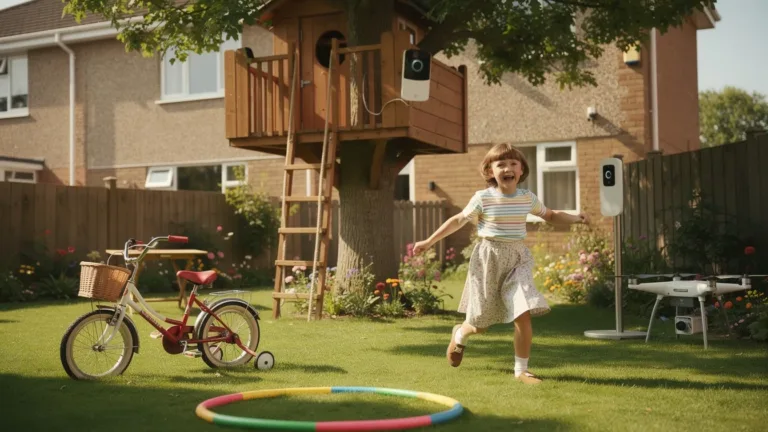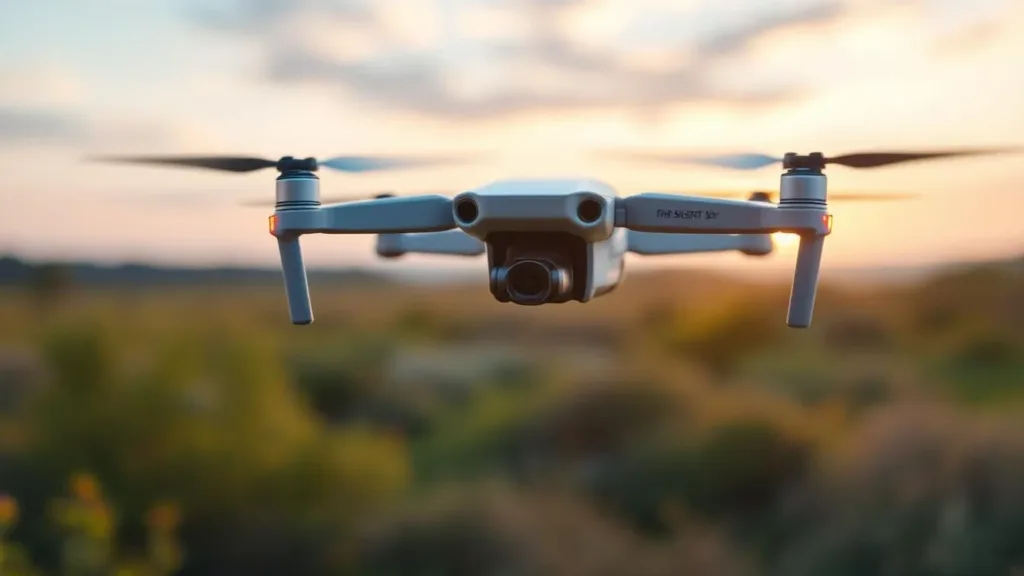

As I sit in my garden with my drone gently buzzing to life, I can’t help but think about the shifts on the horizon. The thrill of flying has always been exhilarating, but as we approach January 2026, the winds of change are blowing fiercely. The UK Civil Aviation Authority (CAA) is implementing new regulations that will redefine what it means to be a drone hobbyist in this country. Time to buckle up, because the sky is about to get a lot more structured.
Highlights
- 🚁 New Class Markings: All drones will need a UK class mark from January 2026.
- 📜 Flyer ID Requirement: Anyone flying drones over 100g must obtain a Flyer ID.
- 📡 Remote ID Functionality: A digital identification system comes into play.
- 🌙 Night Flying Regulation: Drones must have a green flashing light at night.
Fun Fact: Did you know that the UK’s drone market is expected to grow to over £1 billion by 2025? 🚀
The New Class System and its Implications
Before diving into the nitty-gritty, let’s talk class markings. Starting January 1, 2026, all new drones sold in the UK will carry specific class marks from UK0 to UK6. Yes, it’s time to brand your beloved flying machine! This new system aims to improve drone safety and accountability.
Each class represents different safety features. For example, UK0 allows for basic operations, while escalating up to UK6, which includes advanced systems for commercial use. This structured approach will help hobbyists understand what they can and cannot do based on the capabilities of their drones. I mean, can you imagine a world where everyone flies their drones irresponsibly? It’s a nightmare scenario, and thankfully, this new legislation seeks to prevent that.
Flyer ID: Your Drone’s New ID Card
Me? A bureaucratic nightmare? No way! But surprise, surprise—the new laws are insisting we all become a bit more organized. As of 2026, if you’re flying a drone that weighs over 100g, you will need to have a Flyer ID. Let’s be honest: if you’re even remotely passionate about flying drones, failing to get this ID is like choosing to ignore the rules of the road. You wouldn’t want to drive without a license, would you?
And here’s the kicker: you can acquire this ID simply by passing a free online test on the UK CAA’s website. It’s not rocket science. So, if you’re serious about the future of drones, buckling down to get your Flyer ID is essential.
Detour into Remote ID: What You Need to Know
So, you’ve got your Flyer ID? Great! But just when you thought it couldn’t get more complicated, let’s introduce Remote ID. Effective from January 2026, this will be your drone’s digital “license plate.” The CAA wants to ensure that every time your drone is flying, its identity and location are broadcasted, enhancing accountability in the skies.
Bit of advice from me: If your drone weighs 100g or more and has a camera, you’ll need to be Remote ID compliant by January 2028. It’s essentially a way for authorities to track drones in real time, preventing misuse and enhancing drone safety. As a hobbyist, it’s a fantastic way to keep our flying community honest.
Don’t Forget the Green Light: Night Flying Just Got Real
Ah, the romance of night flying. There’s nothing quite like taking your drone out after dark and capturing a stunning view. But here’s the reality check: from 2026 onwards, if you’re planning to fly at night, your drone must sport a green flashing light. Imagine all those high-tech illuminations you can attach, and boom, you’re ready!
But hold on—don’t underestimate the importance of this requirement. Not only will the green light help you be seen, but the added weight means you need to keep an eye on your drone’s overall mass, affecting your compliance with the new regulations. It sounds complicated, but think of it like adjusting your luggage before boarding a flight—simple but critical.
Seizing the Opportunity: What to Do Next?
I urge you, whether you’re a seasoned flyer or just getting into the game, to familiarize yourself with these regulations. The landscape of UK drone legislation is changing, and if you want to continue enjoying your hobby, you’ll need to adapt. Dive into research, stay informed, and engage with fellow hobbyists—knowledge is power.
And here’s a thought: why not organize community meet-ups where everyone shares their insights on these changes? It’s a proactive way to ensure we’re all flying safely and legally as we navigate the silent sky ahead.
In a nutshell, January 2026 will mark a pivotal moment in the world of unmanned aerial vehicles for hobbyists across the UK. Embrace these changes, not as burdensome regulations, but as tools that can enhance our community’s responsibility and thrill. Those of us who truly love flying will adapt, learn, and soar higher than ever.