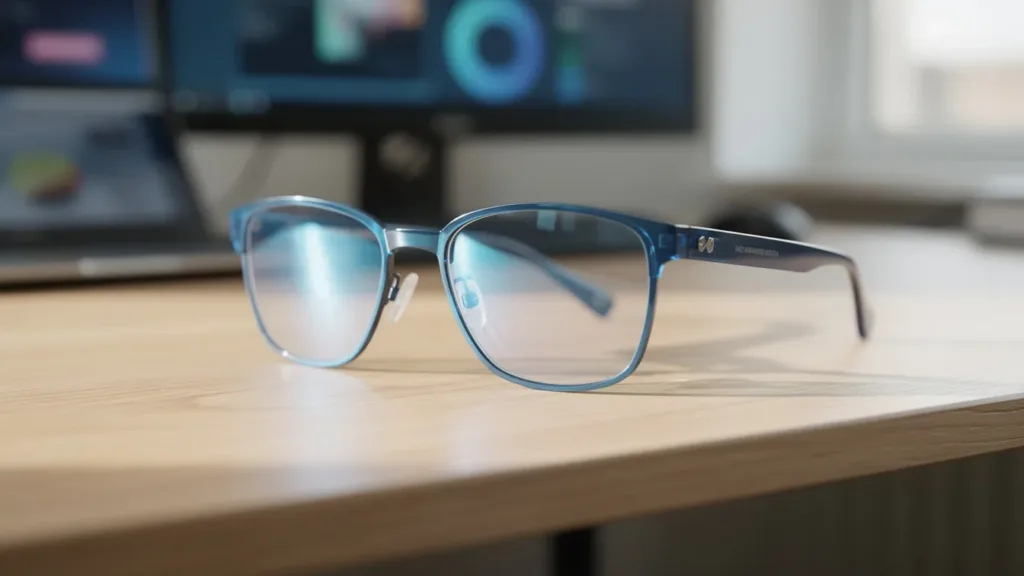

As I sit down to write this piece, I can’t help but feel the familiar strain creeping in from my hours of screen time. It’s the age-old struggle: my eyes feel heavy, it’s hard to focus, and, yes, I’ve reached for those trendy blue light glasses more times than I can count. They’ve almost become a fashion statement, haven’t they? But here’s the kicker: despite their booming sales, do they really *work* as advertised? Let’s delve into this murky world of marketing claims and the surprising truths lurking beneath the surface.
Highlights
- Blue light glasses have gained fame and popularity, but the science doesn’t exactly back them up. 🤔
- Many rely on these glasses to combat digital eye fatigue and improve sleep quality. 😴
- Expert opinions suggest that while they can help, they’re not a magic bullet. ⚠️
- Healthy screen habits should go hand-in-hand with wearing these glasses for best results. 💡
Peeling Back the Layers of Marketing Claims
The first thing to grasp is the sheer power of marketing. Blue light glasses have become a much-coveted accessory that promises relief from the pressures of our screen-filled lives, a promise that has resonated with consumers. In 2025 alone, the market spilled over into a staggering $3.5 billion, with a staggering growth rate of 27% annually. But is all this really just glitz and glamour packaging?
Many people, me included, are drawn to the idea of a simple, chic solution to our eye strain woes, believing that wearing these glasses will protect us from the harsh blue light emitted by our devices. Unfortunately, the reality is less glamorous. Scientific research hasn’t conclusively shown that they alleviate symptoms associated with prolonged screen time like dry eyes and fatigue. In fact, many experts argue that they don’t significantly differ from regular lenses at all.
The Role of Blue Light and Eye Strain
Now, let’s talk specifics. During my relentless scrolling through Twitter under the glow of my phone, I couldn’t help but wonder—what exactly is blue light? 💡 It’s part of the visible light spectrum and is emitted by our screens and even by the sun. While too much exposure is generally bad for our eyes, we receive much more blue light from natural sunlight than from our screens. Context matters.
According to optometrist Dr. Martin O’Donnell, the blue light from our devices isn’t intense enough to cause *any* real damage. That’s right—the chronic eye strain I felt after a Netflix binge might not stem solely from that pesky blue hue. Instead, factors like reduced blinking, poor screen ergonomics, and even undiagnosed visual issues contribute significantly to my discomfort. It’s a multi-faceted problem, folks!
Are Blue Light Glasses All Hype? 🤨
Even so, the glasses have some niche benefits. Some users report improvements in symptoms like glare and discomfort, especially when using screens at night. As a busy mum working late hours, I sometimes feel that wearing these glasses gives me a false sense of security—a *placebo effect*, if you will. Researchers acknowledge that the idea of blocking blue light may help people believe they’re protecting themselves, though the science remains murky.
Some findings even suggest that while blue light glasses can reduce visual discomfort, they don’t magically eliminate headaches or chronic eye strain. Dr. O’Donnell clarifies this by saying the headaches that come from screen use often arise from other factors, including prolonged close-up focus and poor screen positioning.
Establishing Healthier Screen Time Habits 📱
If we assume blue light glasses aren’t the miracle solution we once thought they were, what can we do? It all comes down to integrating healthy screen habits into our daily routines. Here are some tried-and-true tips:
- Follow the 20-20-20 rule: Every 20 minutes, look at something 20 feet away for 20 seconds. Your eyes will thank you! 👀
- Adjust your environment: Position your screen at eye level and reduce glare by using appropriate lighting. 💡
- Limit screen time before bed: Put those devices down at least two hours prior to sleep to help your natural rhythms. 🛌
- Keep eye check-ups regular: Make sure your prescription is up-to-date to avoid unnecessary strain. 📅
Take Charge of Your Screen Health! 📊
It’s time to take serious action. Being informed is one thing, but implementing change is another. If blue light glasses allow for a pop of personality while working your screen time, go ahead and wear them. However, don’t let them be the crutch that leads you to neglect healthier habits. 🍏
The science may not fully support their effectiveness, but consumer belief propels their popularity forward. If you find relief in wearing blue light glasses, that’s a win! But remember, it’s those foundational habits in managing screen time that will truly make a difference in your eye health.
Ultimately, awareness combined with a fresh perspective on habits will lead to the best outcomes. Knowledge is your best tool—so, keep learning, stay engaged, and don’t forget to look away from that screen!